In the wake of the relocation, many residents were focused on simply surviving. Haligonians had been conditioned by the city to view Africville as a decrepit slum. The visual of residents being dropped off at their new homes in garbage trucks compounded this. Many residents were looked down on and faced discrimination as they attempted to restart their lives.
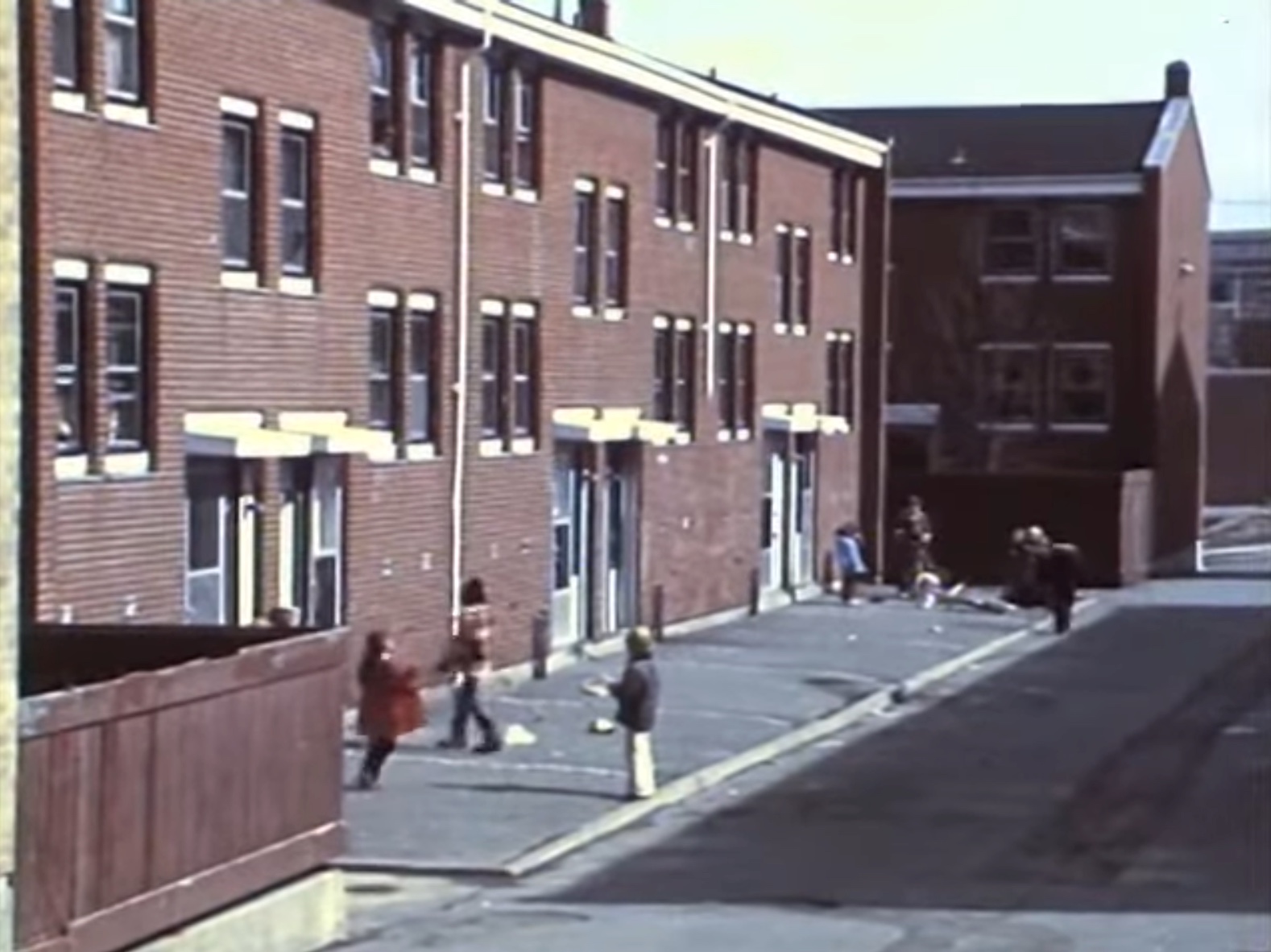
Children playing jump rope outside of a housing complex (Remember Africville, 00:26:25).
In 1969, the year the razing finished, the Africville Action Committee was founded by former residents (Tattrie). In 1983, this committee morphed into the Africville Genealogy Society, which sought to seek compensation for the loss of community land and to ensure that the dispersed families stayed connected and shared their history. That same year, the first Africville reunion was held on the ground they used to inhabit, which now contained Seaview Park.
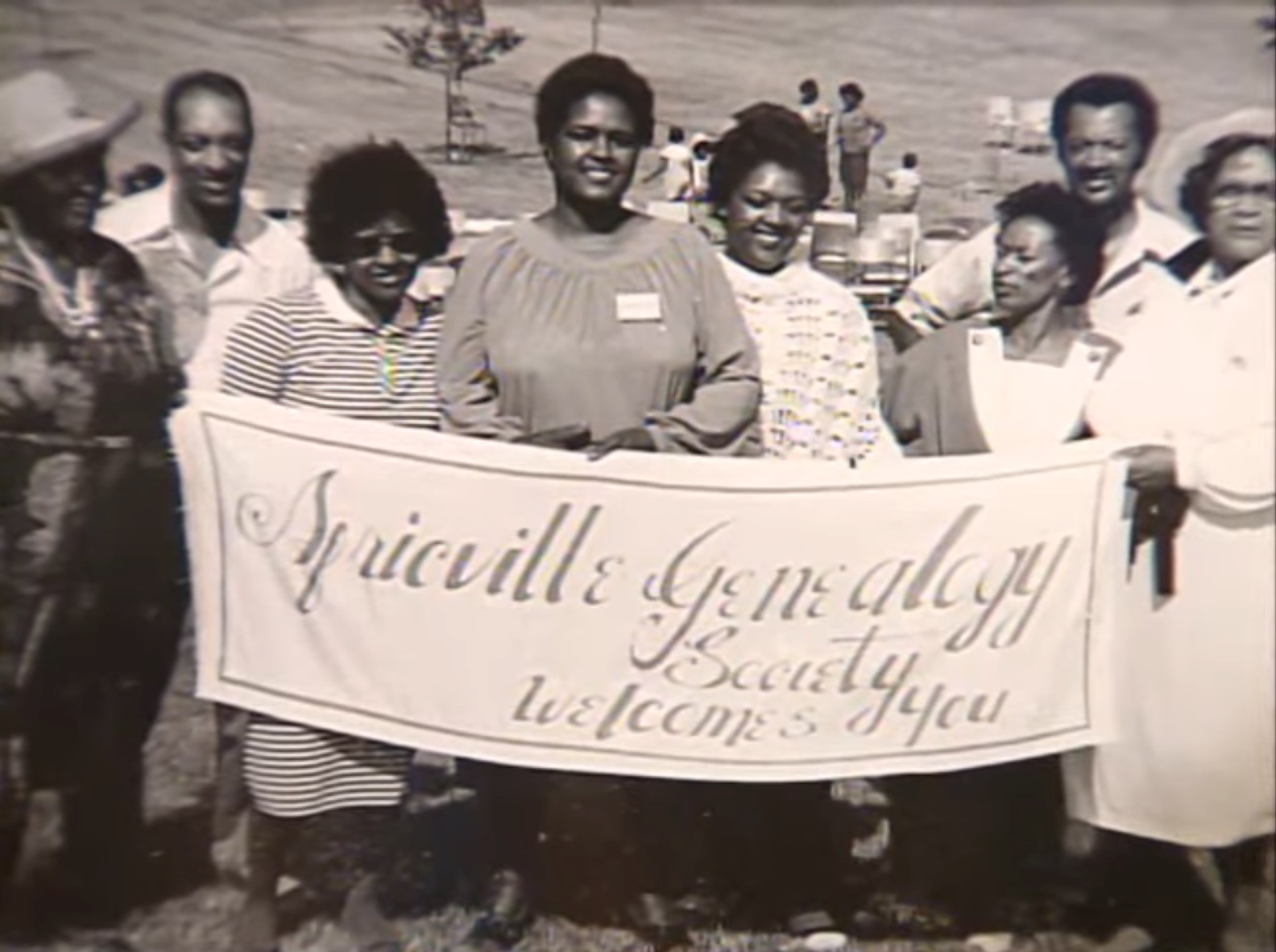
Members of the Africville Genealogy Society holding a banner at a reunion event (Remember Africville, 00:31:35).
While the Genealogy Society sought reparations through diplomacy, some took a more direct approach. Eddie Carvery returned to the grounds and set up self-made shelter in 1970 to protest. He has lived in the former village on and off to this day, fighting various eviction notices and fines, including ones served by the Africville Genealogy Society itself, headed by his brother Irvine Carvery (Seguin).
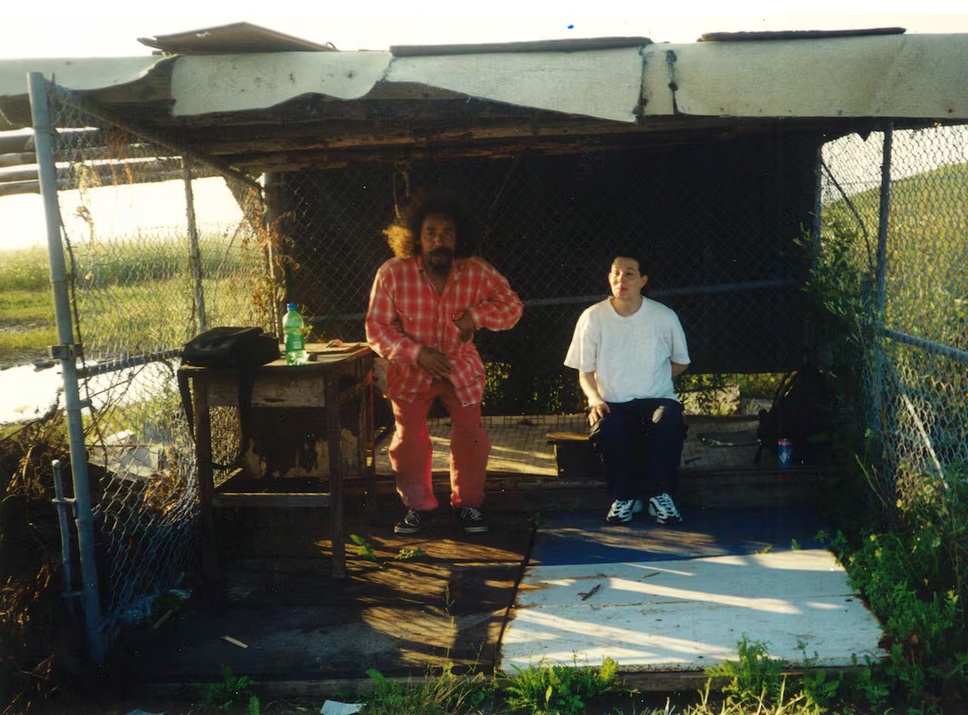
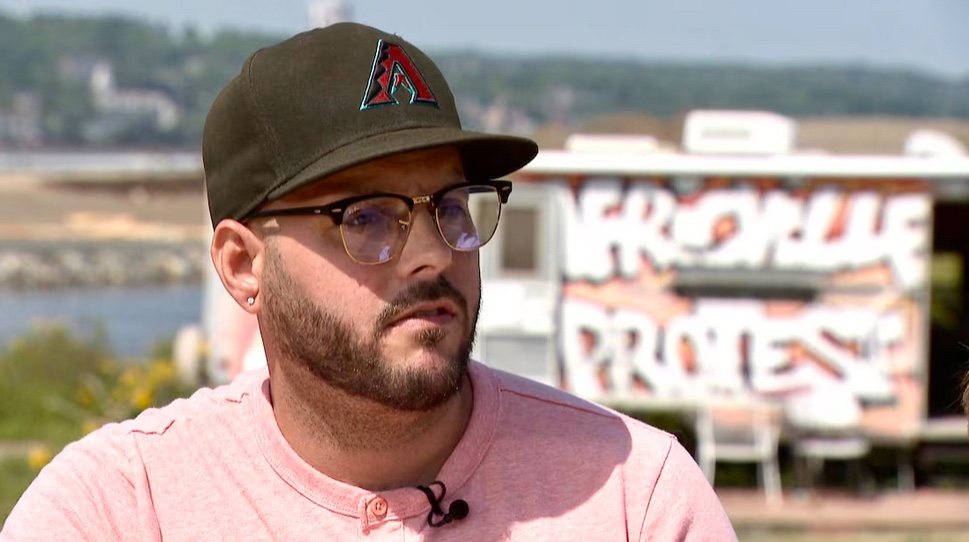
Eddie Carvery in his makeshift shelter in the late 1970s or early 1980s (Carvery).
In the years following the creation of the Africville Genealogy Society, significant progress was made at all levels of government. Below is a timeline that highlights some of the major events.
Canadian government declares Africville as a National Historic Site
Halifax mayor Peter Kelly releases Africville Apology, a landmark document that acknowledged the harm the city had done, as well as provisioning land and funds to be donated to a trust in order to aid remembrance.
A replica of the Seaview United Baptist Church was built and converted into a museum chronicling the history of Africville. The surrounding park was also renamed Africville Park.
Canada Post releases a commemorative stamp depicting Africville
The Nova Scotian provincial government returns the bell that had once hung in the original church.
Africville is designated as Canada’s first Place of History and Memory under the UNESCO designation for Enslavement and the Slave Trade
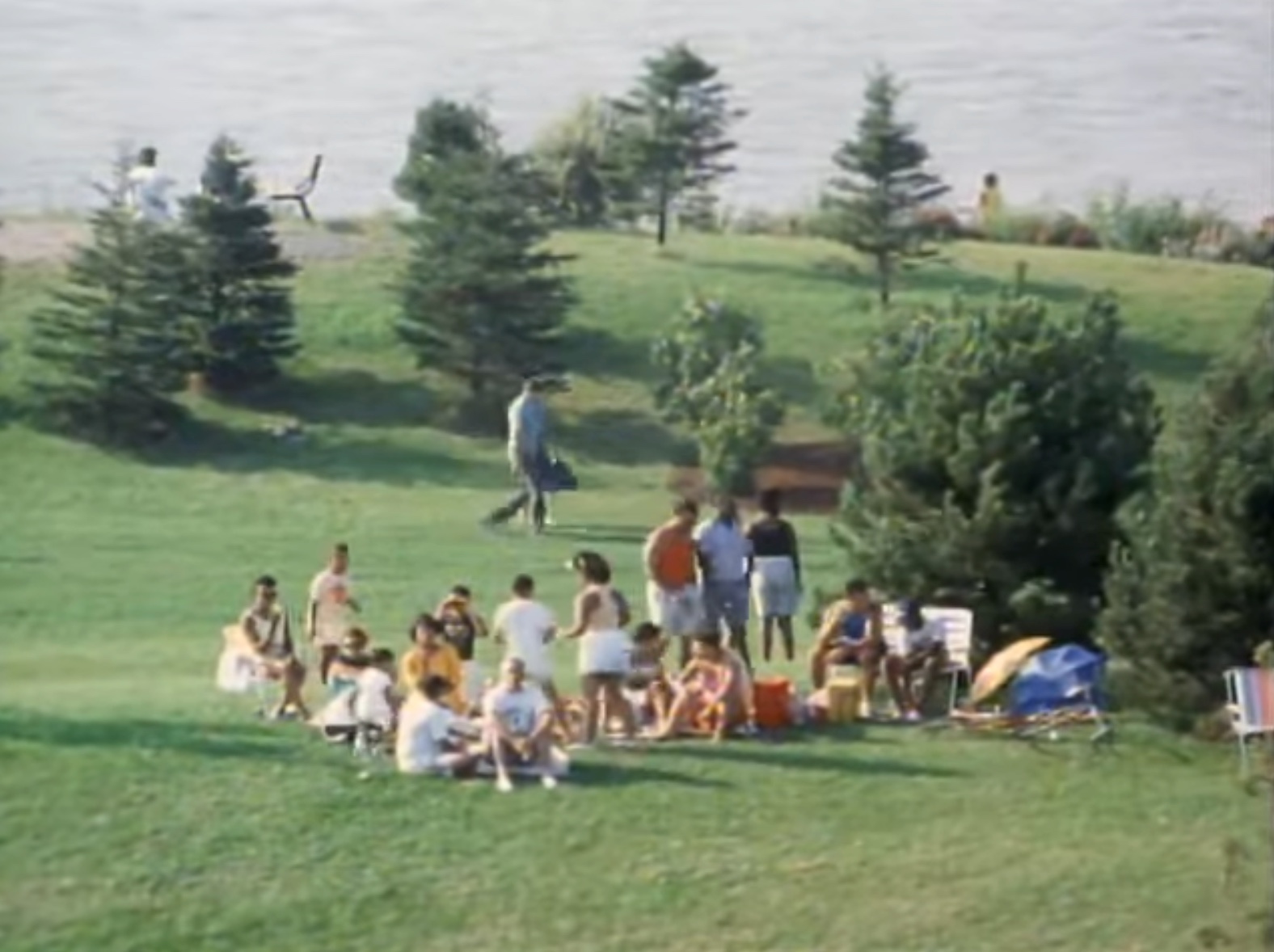
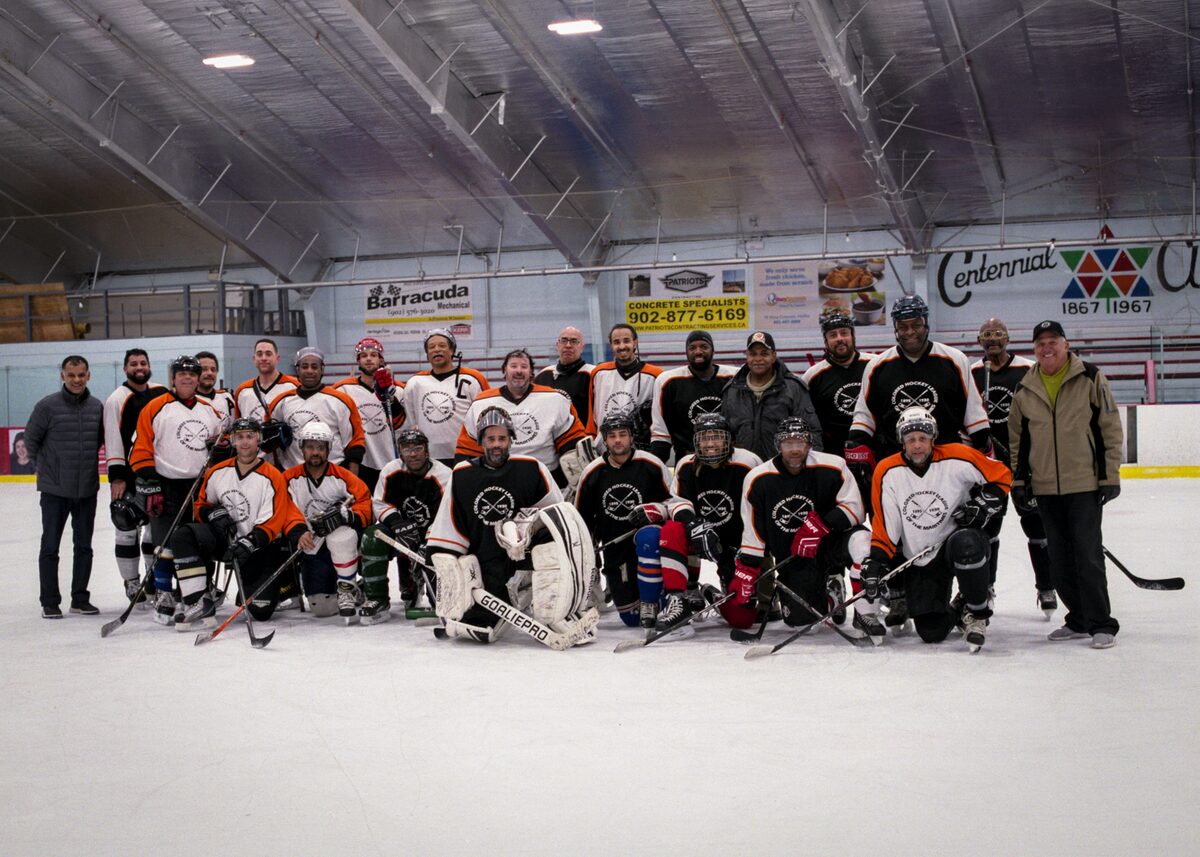
A large group gathering at a 1990s Africville Reunion (Remember Africville, 00:32:00).
Despite these continued efforts, not everyone grieves in the same way. The Africville Genealogy Society is closely interlinked with the Africville Heritage Trust, which runs the Africville Museum, but there are some who remain unsatisfied with both. Many feel that the 2010 apology and subsequent museum funding served primarily to help the city wash its hands of wrongdoing without having to pay reparations to those harmed (Ndukauba and Arellano). Additionally, in October 2025, 43 former residents voted yes on a motion to dismiss the board of the Africville Genealogy Society, claiming the organization has not been effective in serving the community (Hampshire).
The process of healing is a long and complex one, with no singular correct solution. However, the former residents of Africville have demonstrated immense conviction. The physical community of Africville has now been gone for over 50 years, a full third of the lifetime of the community, and yet it seems stronger than ever.
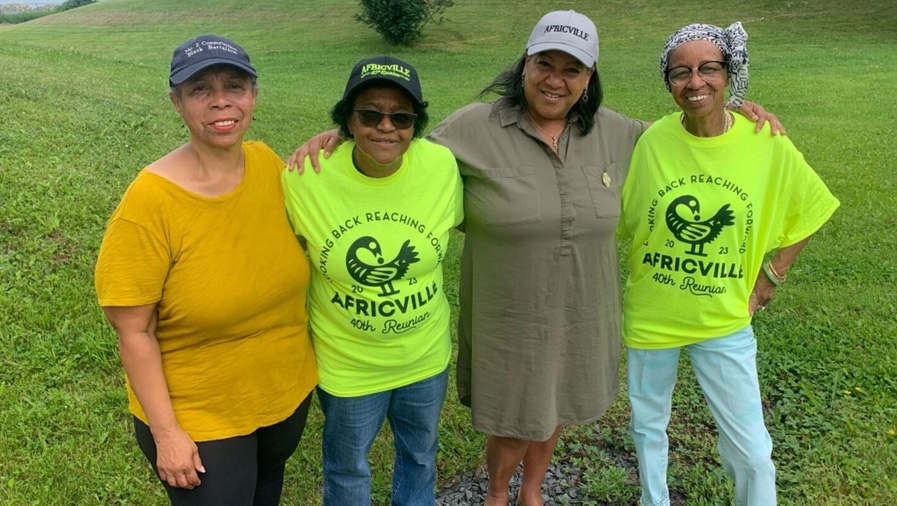
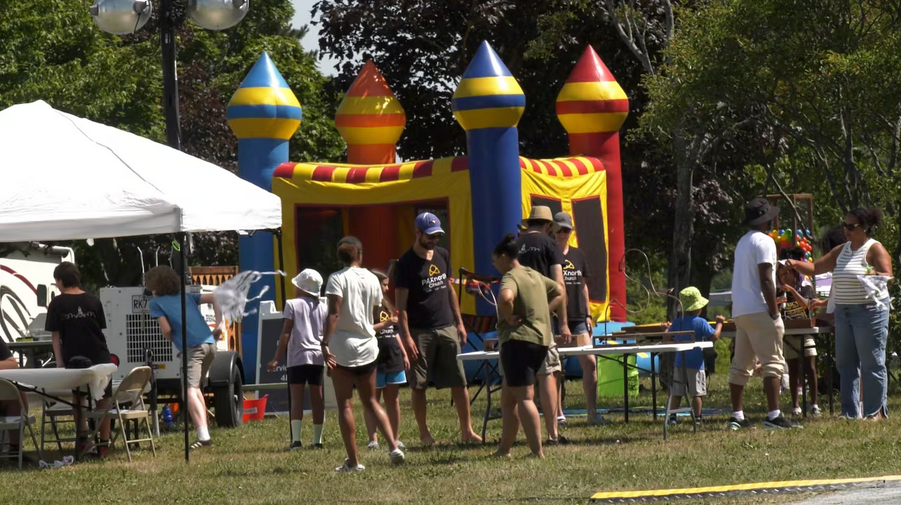
A group pose for the 40th annual Africville reunion in 2023 (Petracek).