It started in 1964, when surveyors came to plan out the demolition and offered each resident a choice. Those who had physical deeds proving ownership of their land were offered market value. However, the majority of residents, despite living on their land uncontested for nearly a century, did not have deeds. These families were offered a mere $500, approximately equal to $5,000 in today’s money (McRae). Many residents rejected this offer initially, but the siege-like nature of the relocation meant they wouldn’t be able to hold off for long.
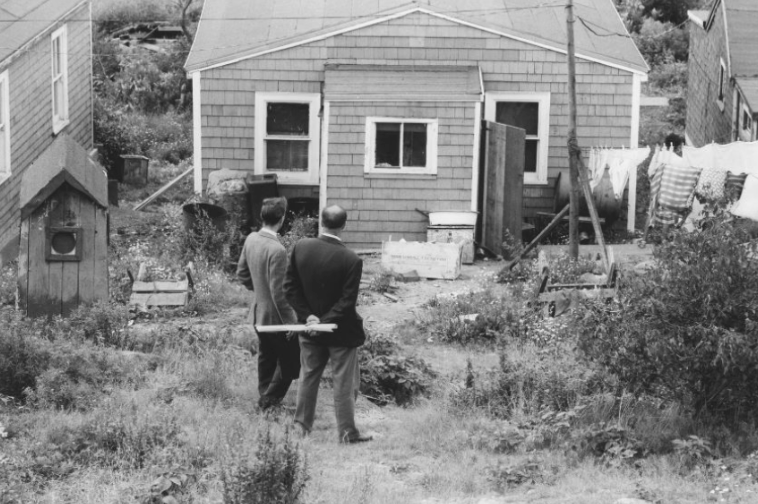
White city officials with a rolled up paper plan looking at a house ("Gone But Never Forgotten").
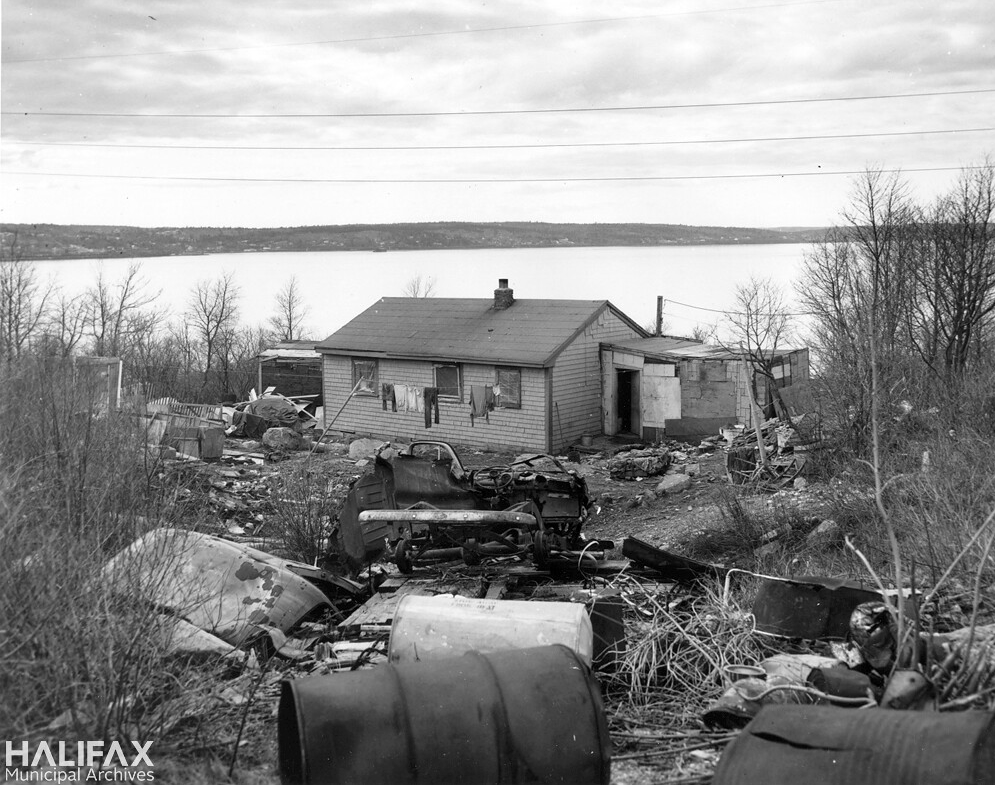
Houses began falling quickly, with the city bringing in bulldozers. The destruction was harsh and undignified, with garbage trucks being used as moving vans (McRae). Often, residents were only allowed to take from their homes as much as they could carry. For those who had resisted initially, the loud roar of machinery served as a constant reminder that their neighbours were leaving, weakening their resolve. The city also employed intimidation tactics, with resident Edward Carvery recalling a threat he had heard:
“If you’re not out of there by the time the bulldozer gets finished with one home, then your home will be bulldozed over, you won’t get the $500 … and we won’t help you
”
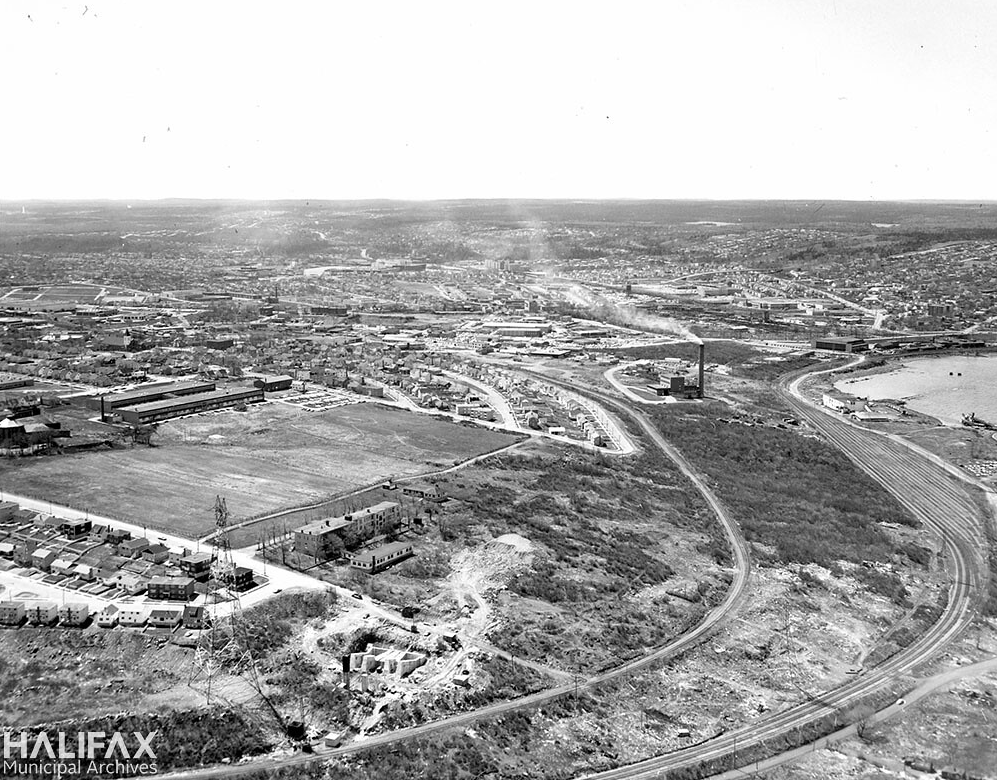
Some residents had bulldozers take down the walls of their buildings while they were still inside, barely escaping serious injury. One resident, James Steward, detailed coming home from the hospital only to realize that his home was levelled while he was gone (Remember Africville, 00:23:00-00:23:20). The largest blow to morale was in 1967, when the beloved Seaview United Baptist Church was taken down in the middle of the night without the consent of the residents. After this spiritual anchor was destroyed, the final residents began to give in (McRae).
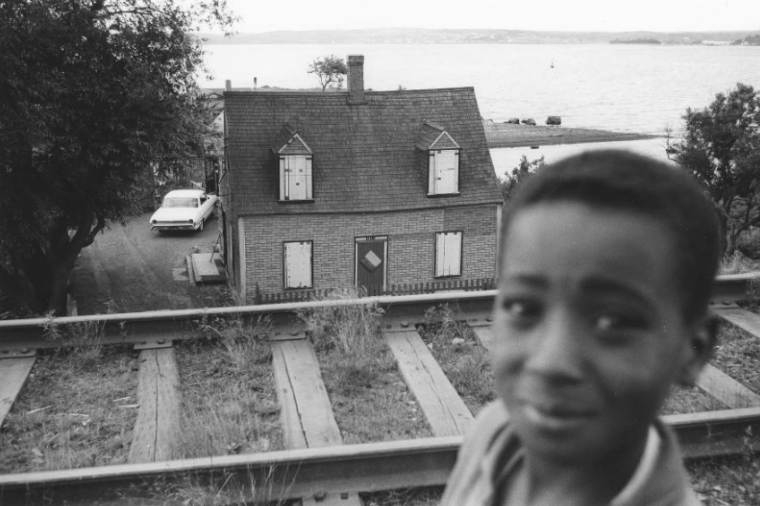
A young child looks at the camera while a house boarded up for demolition is in the background ("Gone But Never Forgotten").
Residents were relocated to various places throughout Halifax. Shockingly, some of these locations were themselves scheduled for demolition on account of being old and unkept (Remember Africville, 00:25:30-00:26:00). Compounding this instability, many of the social services designed to assist the residents were dismantled starting in 1967, before the relocation efforts were even finished (McRae).
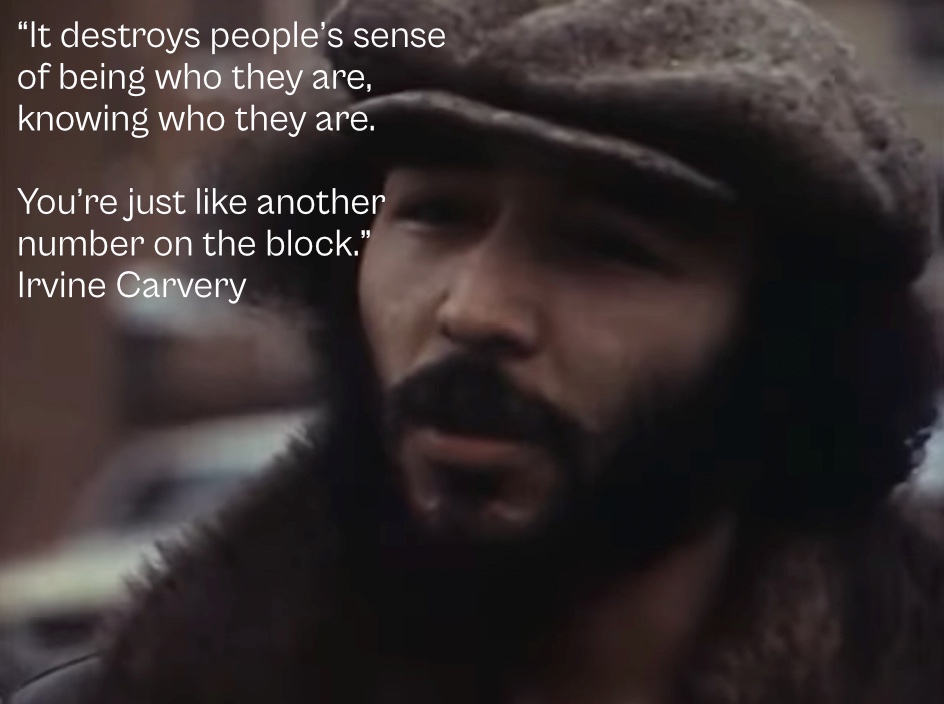
(Remember Africville, 00:26:30-00:27:00)
While the city succeeded in razing the village of Africville and scattering its residents, they failed to break the strong bonds the community had formed amongst each other. This shared trauma eventually morphed into a resistance, igniting a fire in the residents that empowered them to organize and fight for their dignity and self-determination.